

When you search on Google for AI content writing tools, you’ll see thousands of results, but when we are actually looking at them carefully and start using them, most of them sound robotic. In the end, we really need a tool with an actual human tone and voice.
I know the struggle — I’ve tested 20+ AI content writing tools in the last year alone.
Some were really good. Many of them disappointed me. Only a few can generate the content that is good to go, that too with minimal edits. AI-generated content can rank well, but only when it follows Google’s quality guidelines.
In this guide, you’ll find:
- Tools that generate trustworthy content
- Tools that really help with SEO
- Tools that save time instead of adding more editing
- Tools I personally used on real blogs and content projects
Whether you’re a blogger, website owner, or content creator, this guide will help you choose the best tool without wasting hours experimenting.
Let’s get started.
What Makes an AI Writing Tool Actually Trustworthy?
Before reviewing each tool, here are the criteria I used:
Accuracy & Live Stats
The tool should provide fact-checked, updated information and not hallucinations.
Human Tone & Brand Voice
Content should sound natural and maintain a consistent brand voice and tone.
SEO Optimization
It should understand the user’s search intent, analyze competitors, and help you optimize content for Google.
Time Saving
I assume if a tool needs 50% rewriting, it’s not helpful. A good tool reduces editing time instead of taking more time
Transparency & Reliability
The tool should have clear data policies and not hide AI limitations or errors.
Cost-Effectiveness
Good and quality output at reasonable pricing, especially for solo creators and small businesses.How We Tested Each AI Writing Tool
In short, the best AI writing tools help you create helpful, accurate, human-like content that Google can rank.
How We Tested Each AI Writing Tool
We didn’t rely on reviews. We used each tool to create real blog posts, landing pages, and SEO content.
Here’s what we checked:
- Content Quality – Does it actually write like a human and make sense?
- Accuracy – Is the information correct, updated and trustworthy?
- SEO Structure – Can it help with keywords, structure, and ranking better on Google?
- Editing Time – How much rewriting is required?
- Workflow Speed – Does it genuinely save your time and keep the writing process smooth?
- Cost-Effectiveness – Is it worth the subscription cost for the output you will get?
After testing more than a dozen AI writing tools myself, I shortlisted 12 that performed well and from those, 5 clearly stood out as top performers in my workflow.
Before publishing, I run every draft through our AI content quality & EEAT improvement checklist to catch accuracy, tone, and trust issues.
Quick Comparison: Best AI Writing Tools in 2025
| Tool | Used mainly for | Ideal For | Main Features noted |
| Jasper AI | Creating long-form articles | Bloggers, SEO writers, content teams. | Less editing required |
| Koala Writer | Quick results with factual drafts along with current trends | For frequent publishers | Good at factual accuracy with fast output on trending topics. |
| Surfer AI | Generating posts around or about topics that are already ranking in search | SEO professionals, Agencies and growth marketers | Gives ranking-focused pieces to those who count on the performance metrics |
| Frase.io | Good for research and creates structured outlines before writing | Writers who prefer planning and want to go step by step | Excellent for topic research and outline creation |
| Scalenut | Offers integrated keyword research and AI content writing tools in a single tool | Best for small businesses, solo marketers or in-house teams | All-rounder tool with SEO insights and productivity |
Jasper AI: Best for Long Blog Posts
Jasper AI was one of the first AI tools I tried, and it still stays on my “Best of” list.
I found Jasper reliable, especially for long-form blogs. It creates a steady flow, connects ideas well, and needs less editing compared to many tools.
Jasper AI Dashboard – Home interface showing project access, brand voice setup, and quick-start options for content creation.
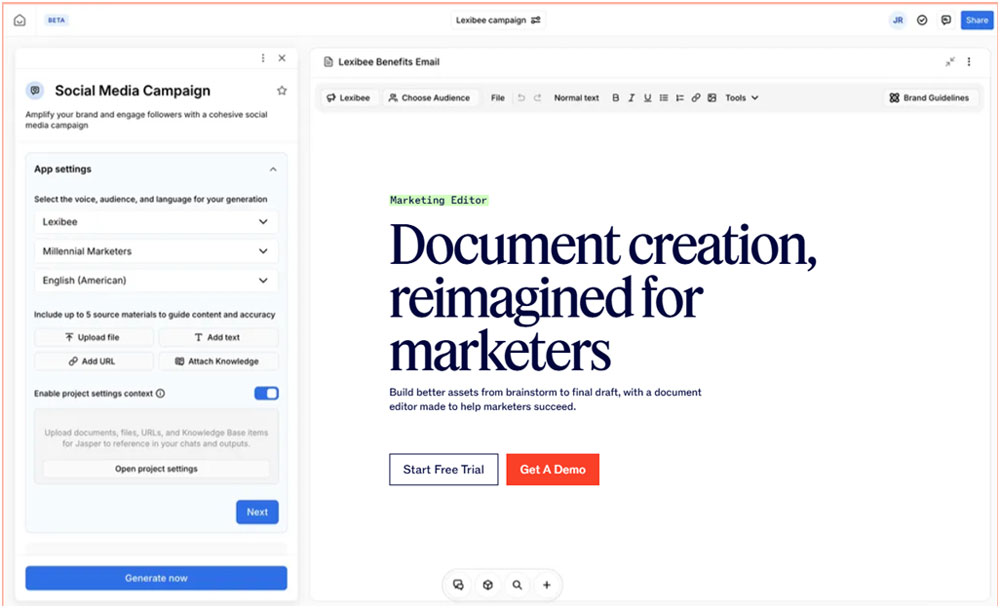
Figure 1: Jasper AI Dashboard – Home interface showing project access, brand voice setup, and quick-start options for content creation.
What I found in my testing:
Best Features
- Great for long articles, pillar posts, and in-depth guides
- Multiple tone options (professional, friendly, casual, etc.)
- Strong brand-voice consistency
- More accurate than many AI writing tools
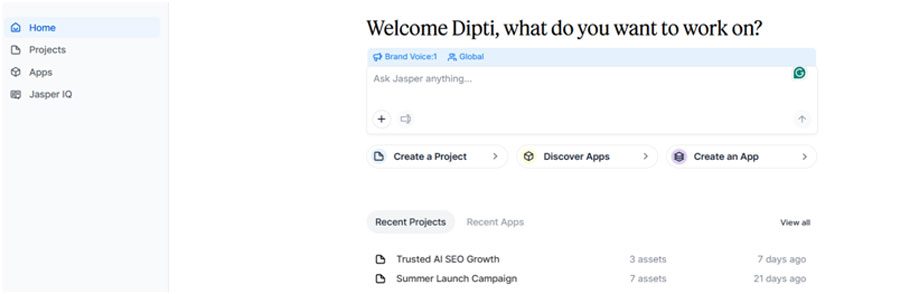
Figure 2: Jasper AI’s Marketing Editor in action — crafting campaign content with brand voice and audience targeting controls.
Where it could improve
- Pricing is slightly high
- SEO features require pairing with other tools
- Needs human review to avoid repetition
Pricing: At the time I checked, Jasper was offering only the Professional plan, which starts at approximately $59/month on an annual billing cycle and around $69/month when billed monthly.
Final Takeaway: Jasper saves me time; I rarely have to rewrite its drafts.
If you’re still comparing options, read our guide on how to choose the right AI writing tool without getting overwhelmed.
Koala Writer: Fast and Very Accurate for SEO Blogs
Koala Writer surprised me with its accuracy. I didn’t expect much at the start, but when I used it for real blog posts, it performed well compared to many costly tools.
Best Features
- Can pull live Google Search results
- Fast draft generation
- Great SEO structure using competitor context
- Helps create FAQs and internal linking
Where it could improve
- Not good for deep, original writing
- Needs polishing before publishing
- The user interface is simple
Pricing: Starts at $9/month.
Final Takeaway: Excellent for fast, accurate drafts, especially on trending topics.
These practices align closely with our Trusted AI SEO foundations for ethical and safe AI use.
Surfer AI: Best When Ranking is Your Main Goal
Surfer doesn’t just write content; it writes with ranking performance in mind.
It first analyzes what is already ranking on Google, and it guides the structure and optimization accordingly. Then, finally, it lets you compete for those positions.
Best Features
- Uses competitor data and user search intent before writing
- Finds topic gaps and also keyword gaps
- Real-time content score during editing which gives clarity
- Strong SEO optimization
Where it could improve
- Slightly expensive if you publish many posts
- Drafts sometimes feel only SEO structured instead of people-first
Best For: SEO professionals, agencies, and serious bloggers.
Frase.io: Best for Research and Content Outlines
Frase is smart at research; it impressed me, but not with writing. If you like planning content before writing, Frase is ideal.
Frase.io is also a powerful AI-driven content research and optimization tool that helps you analyze top-ranking content and create structured outlines, making your writing more effective.
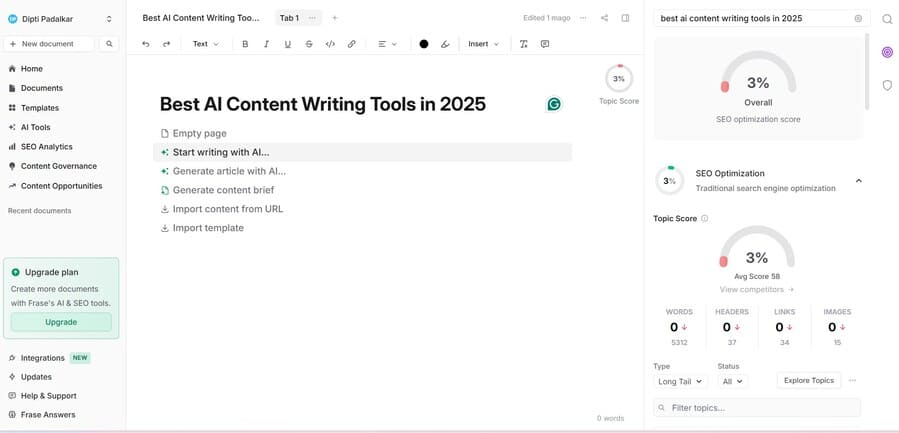
Figure 3: Frase.io’s Content Editor showing SEO optimization scores and topic insights.
What Stood Out in My Testing
- Collects data from top-ranking articles on SERP pages
- You can build your outline directly from competitor pages without jumping between tabs.
- Writing feels like the second step here; excellent for SERP analysis and planning
Where it needs improvement
- The AI writer always needs rewriting
- You still need to rewrite sentences and make them sound natural
- Not ideal for emotional writing or brand voice tone
Best For: Writers who like a step-by-step approach.
If you want to dive deeper into data-driven content research and generate SEO-ready outlines quickly, you can explore Frase’s pricing and plan options here.
Scalenut: Best All-in-One Tool for Small Teams
Scalenut packs multiple tools into one dashboard, like keyword research, content briefs, AI writing, and even SEO insights. I used it for a client project where I needed both topic ideas and full blog drafts, and it handled everything without making me switch between tools.
What I Noticed
- The “Cruise Mode” is its main feature. We need to enter the keyword, and it automatically creates the outline, competitor research, and also writes the first draft.
- Great for full workflow in one place
- Good for small teams and solo creators
Where it falls short
- The writing quality still needs editing, especially in tone and originality
- UI can feel overwhelming if you don’t like too many features in one place
Best For: All-in-one users who want fewer tools.
To make these drafts rank better, follow our step-by-step guide to optimize AI content for Google.
Other AI Content Writing Tools Worth Trying:
Writesonic: Fast, but not always reliable for long-form content
Writesonic is extremely fast. I’ve used it many times when I wanted quick ideas, blog intros, product descriptions, or ad copy without spending too much time staring at a blank page.
You just choose a template, blog post, Facebook ad, landing page, social media post, etc., add a few details, and it generates content in seconds. Their AI Article Writer (Latest version) can even create long articles up to 5,000 words and also integrates with SurferSEO when needed.
Best things about Writesonic
- 100+ templates for different content formats
- Supports 25+ languages
- Let you pick tones like formal, friendly, funny, dramatic, etc.
- Great for quick drafts, ad copy, intros, and short marketing content
Where Writesonic needs improvement
- Long-form content still requires heavy editing
- Repetition can appear if used often
- Not ideal for research-heavy or SEO-competitive articles
Pricing
Starts at around $16/month.
Who will find it useful
Perfect for marketers, social media managers, and anyone who needs quick ideas or short-form content, not for deep or detailed blog posts.
For multilingual outreach and international content teams, Neuroflash or Writecream are also great tools to consider, especially for 2025 campaigns.
Copy.ai: Best for short-form content and marketing copy
I used Copy.ai especially for social posts and emails, and the output needed very minimal edits. It works best for those quick Instagram captions, email subject lines, and product descriptions. Also gives the best ad headlines, punchy lines and small marketing content.
Its interface feels similar to ChatGPT, but more focused on marketing and short-form writing. You can chat with it, refine content in real time. Even pulls live data when needed to keep content updated.
Best features
- It creates short-form marketing content quickly
- Real-time web search for updated results
- Clean and chat-style interface
- It supports multiple tones and languages
Where Copy.ai falls short
- Not good for long blog posts or deeply detailed articles
- You can sometimes find an inconsistency in tone
- It works more like an assistant instead of a writer
Pricing
Free plan available. Paid plans start around $49/month.
Who should use it
Best for social media managers, email marketers, and small businesses. Creators who need short, catchy, ready-to-post content, not long-form articles.
Rytr: Budget-friendly option for beginners
Rytr is one of the most affordable AI writers available today. It can do a decent job if your expectations are clear. I used it mainly for SEO meta descriptions, small rewrites, blog outlines, and email replies. For simple tasks, it works well.
What I liked about Rytr
- Supports 30+ languages
- Very beginner-friendly interface
- Many templates, like product descriptions, blog ideas, and emails
- Great pricing
Best features
- Very affordable (starts at $9/month)
- 40+ templates for quick content
- It has multiple tone options
- It’s good for basic content tasks
Where it falls short
- Not suitable for competitive SEO
- Lacks depth and originality
- Long-form writing is not strong
- Requires rewriting for clarity
Who should try it
Beginners, entry-level freelancers, small businesses, basically anyone who needs inexpensive AI assistance for simple writing.
Content at Scale: Good for long-form, but not perfect
Content at Scale is designed for one purpose: to create long-form SEO articles with minimal input. I tested it using just one keyword, and it generated a complete 2,500+ word article including headings, subheadings, and keywords.
It uses multiple AI models combined with NLP, so the writing feels more natural than many other tools. The research is strong. It scans top-ranking pages and uses useful information in the draft.
Best features
- Creates 2,500+ word articles from a single keyword
- Strong built-in SEO optimization
- Uses multiple AI models for improved accuracy
- Integrates smoothly with WordPress and Shopify
- RankWell feature helps with topic clusters and content audits
Where it needs improvement
- No free trial
- Pricing is slightly premium
- Takes longer to generate content compared to other tools
- Still needs human editing for tone and clarity
Pricing
Premium pricing depending on usage. Usually preferred by agencies and high-volume publishers.
Who should use it
Bloggers, agencies, and teams needing bulk long-form content, as long as you don’t mind editing the tone afterward.
Notion AI: Helpful for quick rewrites and notes, not full articles
Notion AI is not a full writing tool. It’s more like an assistant inside Notion, useful only when your notes, outlines, or documents are already inside the platform.
I mostly use it for rewriting, summarizing meeting notes, brainstorming or organizing ideas. It’s not for full blog writing.
Best features
- Works directly inside Notion
- Great for rewriting, summarizing, and expanding notes
- Understands your existing page context
- Helps with brainstorming
Where it falls short
- Not built for long-form blog posts
- Only available in Business and Enterprise plans
- Very limited compared to tools like Jasper or Koala
Who should use it
Many teams or individuals are already using Notion daily. It’s perfect for notes, summaries, and rewriting, not for complete articles.
ChatGPT (GPT-5): Best for ideas and conversational writing
ChatGPT is my everyday assistant. It’s flexible and good for brainstorming, outlining, rewriting paragraphs, simplifying content, or generating clear explanations.
If you guide with proper prompts, it will help to fix your SEO. It’s amazing for creativity and clarity.
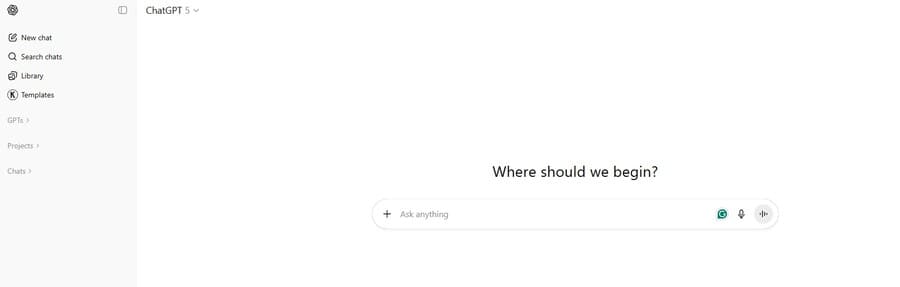
Figure 4: ChatGPT’s conversational interface enables real-time ideation and content refinement.
Best features
- Writes almost any type of content
- Great for idea generation
- Perfect for rewriting in different tones
- Handles long-form content with proper guidance
- Extremely conversational and natural
Where it struggles
- Needs detailed prompts for SEO
- Sometimes gives generic or outdated information if the context is not given properly
- Must be fact-checked
Who should use it
Writers, bloggers, marketers, students, basically anyone needing a flexible writing assistant for ideas, rewrites, or drafts.
Google Gemini: Best for research and natural rewriting
Gemini is great for content research. It is similar to ChatGPT, but it is a separate AI model developed by Google. When I tested it, the accuracy felt strong because it pulls information from Google’s ecosystem. In my testing, Gemini’s rewrites felt clean and easy to read, although its style is sometimes more poetic and flowing compared to the more natural, conversational tone of ChatGPT.
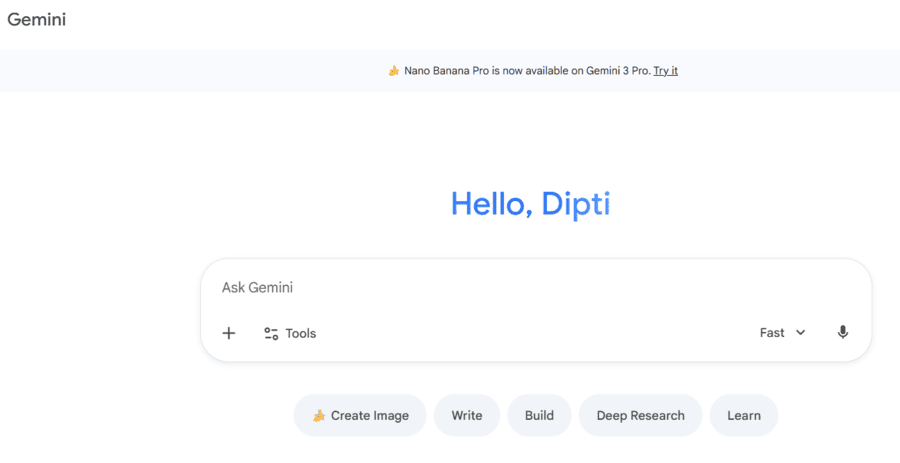
Figure 5: Google Gemini AI dashboard, displaying the main interface for creating content and utilizing writing tools.
Best features
- Strong factual accuracy
- Excellent for creating outlines and heavy research topics
- Clean, natural rewrites
- Free for most users
Where it could improve
- Not as creative as ChatGPT
- Limited SEO features
- Only better for rewriting than full article generation
Who should use it
Writers, researchers, students, and anyone who wants fact-based content or natural rewrites.
Which AI Tool Should You Actually Choose?
Here’s the simplest way to decide:
- Choose Jasper → if you want high-quality long-form content
- Choose Koala Writer → if you want quick and accurate SEO drafts
- Choose Surfer AI → if ranking is your priority
- Choose Frase.io → if research and outlines matter to you
- Choose Scalenut → if you want an all-in-one platform
If you’re working with international or multilingual content, tools like Neuroflash or Writecream are also worth exploring; they’re gaining traction for outreach and localization in 2025.
My Personal Way of Using These Tools
I don’t stick to just one tool. I switch depending on what I need:
- Jasper → detailed articles with brand voice
- Surfer → when I want SEO performance
- ChatGPT → for ideas and rewriting
- Frase or Gemini → for research and fact-based content
Final Thoughts
After testing 20+ tools, one thing is clear: No AI tool is perfect. But the right tool can save hours, reduce stress, and help you publish consistently. If you’re unsure where to start, begin with a free or low-cost tool like Copy.ai or Rytr. Write one article. See how much editing it needs. You’ll know instantly if it fits your workflow.
At the end of the day, the best tool is the one you actually enjoy using. Also, while writing tools can speed things up, your editing still matters— especially if you want content to feel real, which we explain in how to humanize AI content with expertise and authentic voice.
AI content that ranks today is helpful, accurate, and well-structured, not just fast. Try to match Google’s E-E-A-T standards as closely as possible with every post. If you’re looking for the best AI writing tools in 2025, start with the ones that fit your workflow and content goals.
FAQs
1. What is the best AI tool to rewrite content?
Jasper and Frase.io are solid choices. ChatGPT and Google Gemini are also great for natural rewrites.
2. Which AI tool is best for content writing?
Depends on your need:
- Jasper gives quality
- Surfer is best when rankings matter.
- Koala is best when speed matters.
- ChatGPT is for flexibility
3. Are there any free AI writing tools?
ChatGPT offers a free version, while tools like Rytr, Copy.ai, and Google Gemini provide limited free access or trial-based plans, depending on availability.
4. Can AI content rank on Google?
Yes, as long as it’s accurate, helpful, and edited well.
5. Do I still need to edit AI-generated content?
Definitely. Expect to revise 10–30% for accuracy and tone.
6. Can AI replace human writers completely?
Not yet. AI can help scale content and generate ideas, but human editing, originality, and brand tone still play a big role, especially for trust-building and refined content.